
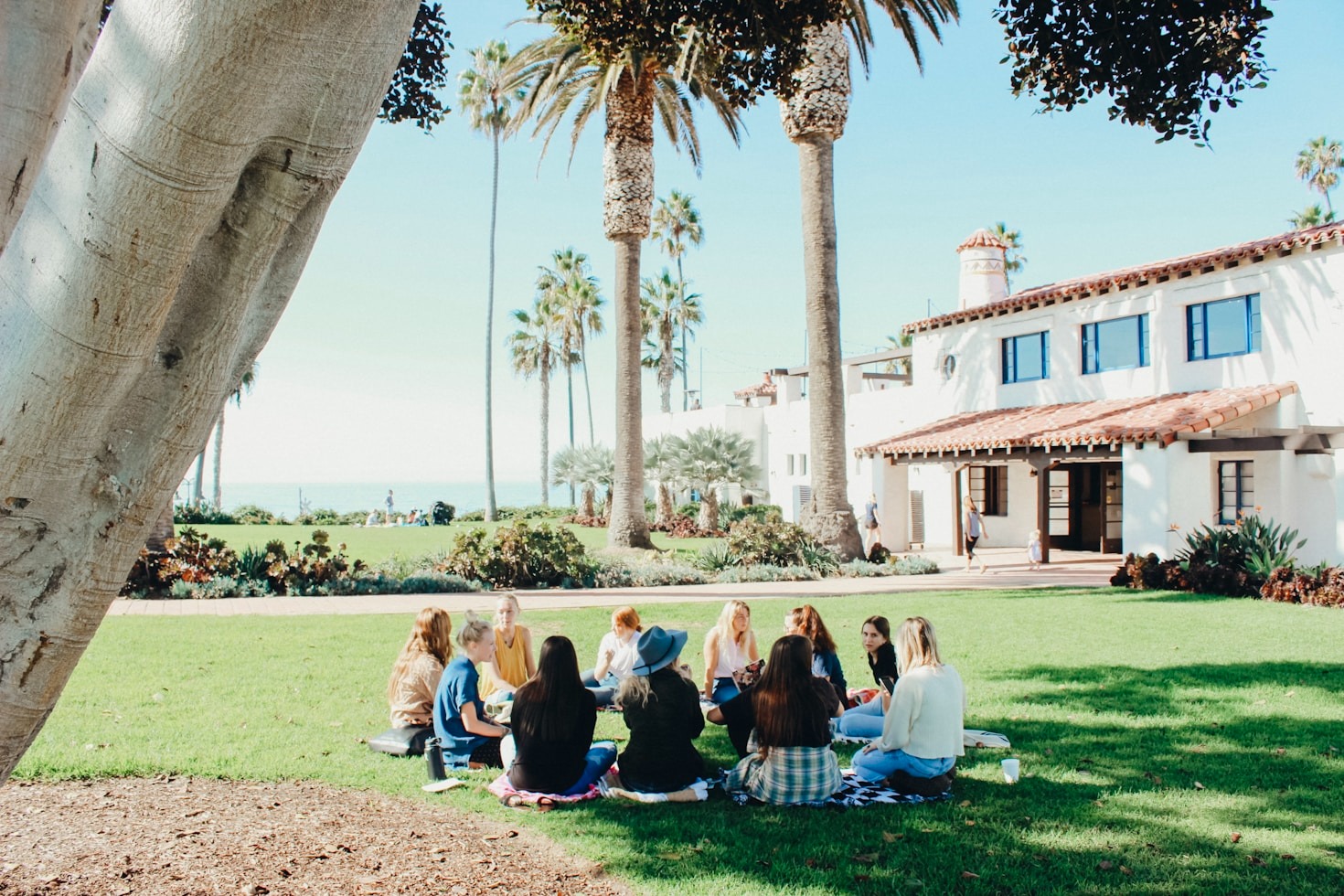
In the architecture of human history, religion has long served as the primary blueprint for community. It provided the halls for gathering, the scripts for ritual, and a shared vocabulary for “meaning.” However, as more individuals move toward a secular lifestyle, they often find themselves navigating a world that—while functionally modern—still retains many underlying religious structures and expectations.
“Sometimes, the simplest moments hold the deepest wisdom. Let your thoughts settle, and clarity will find you.”

The Landscape of the Secular Transition
Navigating a secular environment often begins with the recognition of what is being left behind. For many, religion provided a “default” social circle where community was geographically and ideologically pre-packaged. In a church or mosque, you show up and the people are there.
Outside of these traditional structures, community becomes intentional rather than default. This transition can be one of the most significant challenges, as it requires individuals to actively seek out and build new support systems based on shared values rather than inherited dogma.
Common Challenges in a Secular Shift
- Loss of Shared Language: Religion can provide a shorthand for grief, joy, and morality. In a nonreligious environment, you must develop your own vocabulary to express these deep human experiences.
- Social Friction: Family gatherings or workplace environments may still be heavily influenced by religious norms. Navigating these spaces without compromising one’s secular identity requires a delicate balance of boundary-setting and empathy.
- The “Meaning Gap”: Without a prescribed “higher purpose,” individuals may face a period of existential uncertainty. It is important to remember that this “gap” is an opportunity to define meaning on your own terms.
Building Your Own Foundation
A secular life is not defined by what it lacks, but by what it chooses to include. To navigate a secular environment successfully, one must become the architect of their own significance.
Creating Secular Rituals
Ritual is the glue of human connection, and it does not require a liturgy to be effective. Simple, recurring actions can provide the “habits and rhythms” needed to ground yourself.
- Communal Meals: Setting aside time for deep conversation with friends without the filter of belief.
- Nature and Reflection: Finding awe in the physical world through regular outdoor activities or personal meditation.
- Celebration of Milestones: Creating personal ceremonies for life events like births, partnerships, or career shifts that reflect your actual values.
Finding Your “Village”
Since community is no longer “built-in,” you must look for it in places where people gather around shared human interests.
- Side-by-Side Activities: Deep bonds are often forged through community gardens, choirs, or makerspaces where the focus is on collective creation.
- Secular Support Groups: For those dealing with the specific trauma of leaving a high-control faith, resources like Recovering From Religion can provide essential peer support.
Wrapping Up with Key Insights
Navigating a secular environment is an ongoing journey of self-discovery and community building. While the loss of traditional structures can be daunting, it opens the door to a life that is authentically yours. By creating your own rituals, seeking out intentional community, and embracing the wonder of the natural world, you can build a life of profound meaning and connection.
You are no longer a tenant in someone else’s belief system; you are the creator of your own path. The challenges are real, but so is the freedom to define what a “good life” looks like for you.